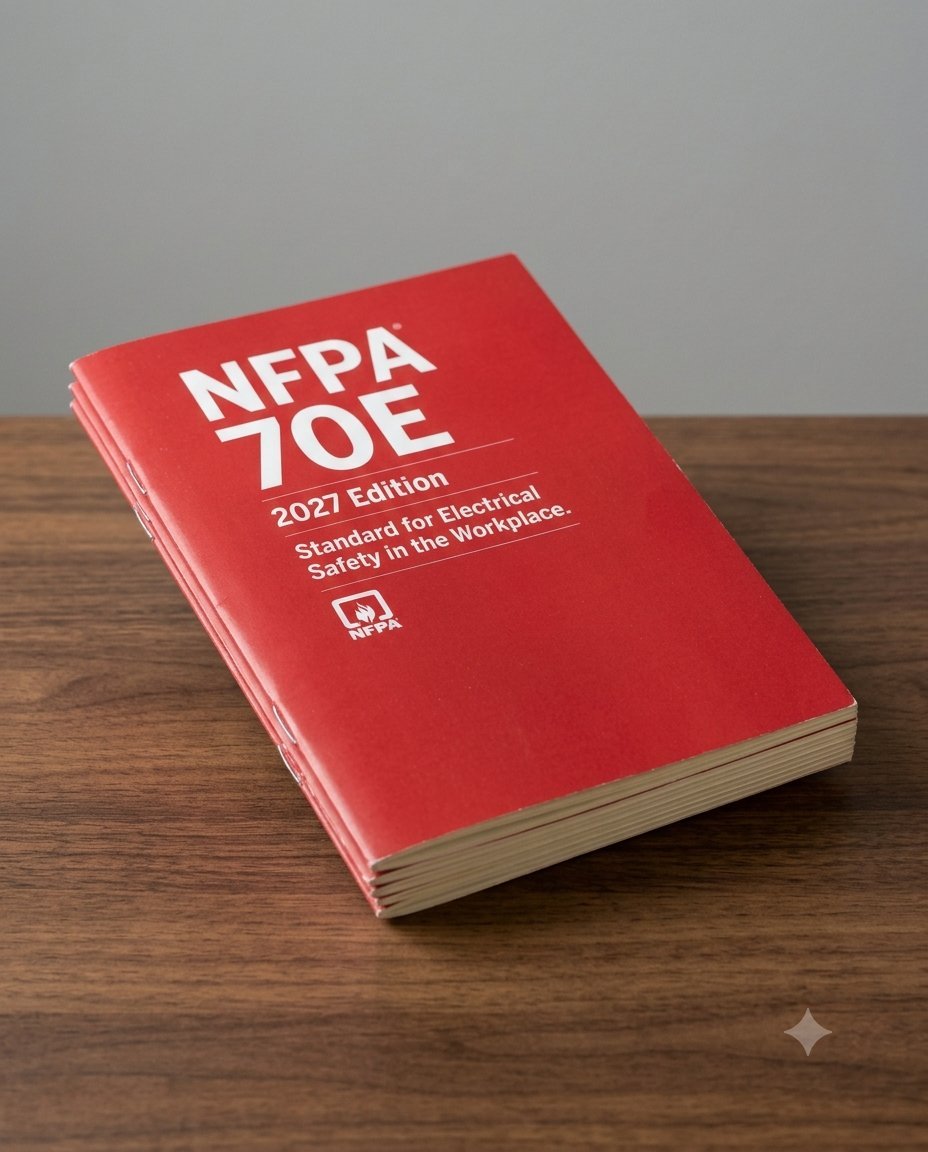
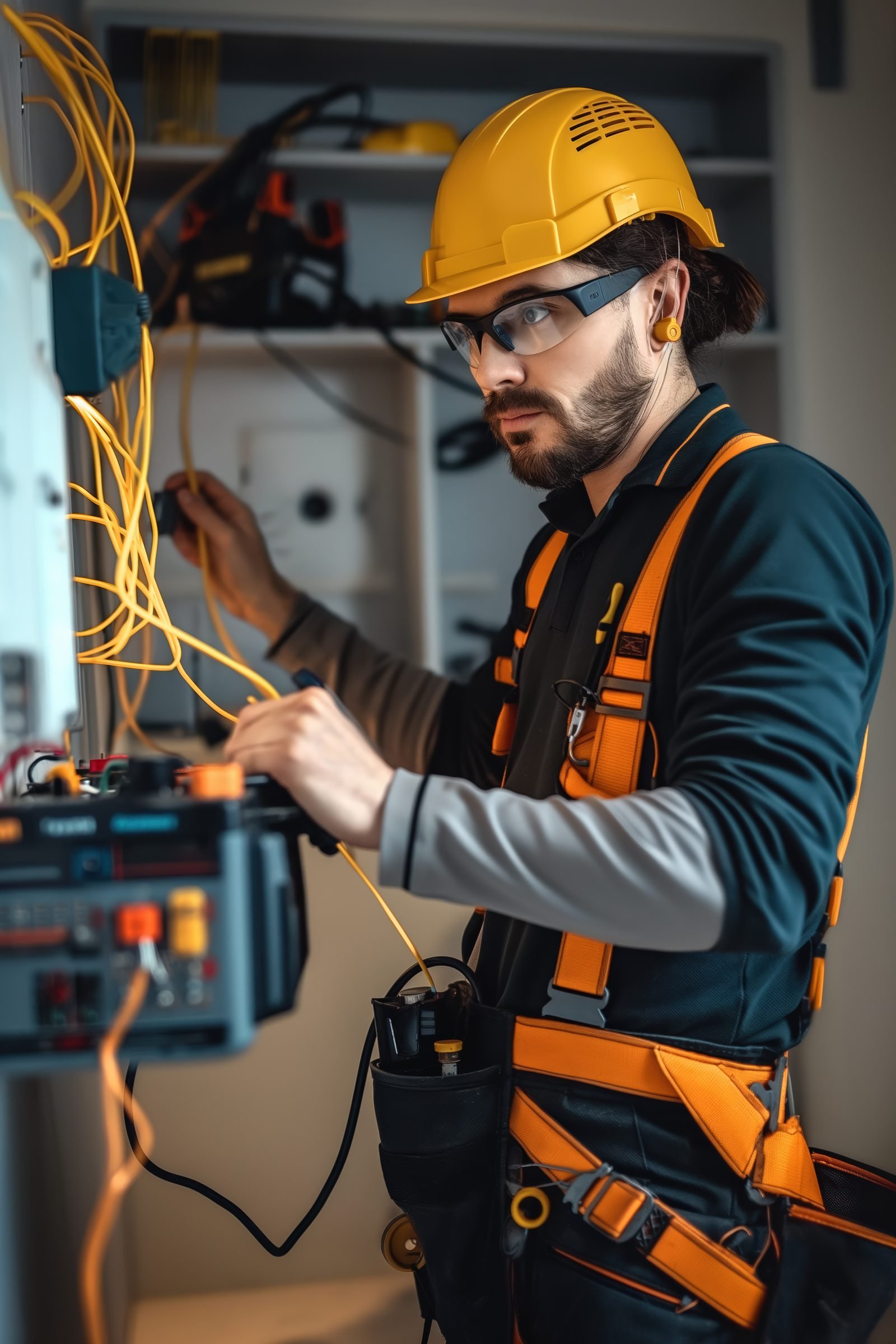
"NFPA 70E certification" is one of the most oversold phrases in electrical safety, so let's be straight about it. There is no government license or single national exam you pass to become "NFPA 70E certified." What good training gives you is a certificate of completion documenting that a worker was trained to the standard - and, in a strong program, that they demonstrated they can apply it. This guide explains what that certificate should prove, how the renewal cycle works, and why the edition on it matters for compliance.
What "certification" actually means
In this field, "certified" is shorthand for: trained to NFPA 70E, on the current edition, with the training documented. That documentation does real work - it is a large part of how an employer shows a worker is a qualified person, and it is what holds up if OSHA, an insurer, or a plaintiff's attorney asks how you knew this person was safe to do the work.
What the certificate should document
- That the worker completed NFPA 70E training on the current 2027 edition (name the edition explicitly).
- The completion date, so the three-year retraining clock is unambiguous.
- The scope - the hazards, boundaries, PPE selection, and safe-work practices the training covered, ideally tied to the equipment and tasks the worker performs.
- Who delivered it and their qualifications, when demonstrated competency is part of the program.
A certificate that does not state which edition it covered is close to worthless for compliance - and if it names the 2018 or 2024 edition today, it is already behind. See our full SME breakdown of what the 2027 edition changed for what a current certificate needs to reflect.
How the renewal cycle works
NFPA 70E requires retraining at intervals not to exceed three years - so "certification" is not a permanent credential, it is a rolling cycle. Retraining is also required sooner when the job or equipment changes, procedures change, or an incident or observed deficiency indicates a worker needs it. Treat three years as the outer limit and let those triggers drive earlier retraining.
Certificate vs. being "qualified"
These are related but not identical. Being a qualified person under NFPA 70E requires demonstrated skills and knowledge on the specific equipment plus hazard training. A certificate of completion is strong evidence of the training half; the demonstrated-skills half comes from a program that actually verifies capability - witnessed task performance, not just a passing quiz. The best certificates reflect both.
Group vs. open-enrollment certification
Open-enrollment classes certify individuals - useful for one or two people or for a new hire between group sessions. Group or onsite training certifies a whole crew together, on your equipment and procedures, which tends to produce more consistent competency and lower per-person cost at scale. Many operations use open enrollment to fill gaps and group sessions to keep the core team current. If you're weighing formats, see whether virtual NFPA 70E training satisfies OSHA requirements.
Why the edition matters for compliance
OSHA does not name NFPA 70E in its standards, but it enforces electrical safety training through Subpart S and the General Duty Clause, using NFPA 70E as the recognized benchmark. Certifying your people to the current 2027 edition - which added the additional-person requirement, emergency-response expectations, and management-of-change review of the arc flash study - is the most defensible way to show you met that expectation. A stack of certificates on a superseded edition is exactly the gap an investigator or attorney looks for. For the fundamentals, see what NFPA 70E actually is and requires.
Frequently asked questions
Is there an official NFPA 70E certification or license?
No. There is no government license or single national exam. 'Certification' refers to a documented certificate of completion from training to the standard, ideally with demonstrated competency.
How long is NFPA 70E certification good for?
Retraining is required at intervals not to exceed three years, and sooner if the job or equipment changes, procedures change, or an incident or observed deficiency indicates a need. It is a rolling cycle, not permanent.
Does a certificate make someone a 'qualified person'?
It documents the training half. Full qualification also requires demonstrated skills and knowledge on the specific equipment - so a certificate plus verified task competency, not a certificate alone.
Does the certificate need to reference the 2027 edition?
Yes. Name the edition explicitly. A certificate that references an older edition, or none at all, is weak evidence for compliance under the current standard.
Is OSHA satisfied by an NFPA 70E certificate?
OSHA requires electrical safety training and enforces it via Subpart S and the General Duty Clause, using NFPA 70E as the benchmark. A current-edition certificate backed by real competency is strong evidence you met that requirement.
Rick Hauf, CSP is a Certified Safety Professional with 35+ years in EHS and electrical safety. He teaches NFPA 70E nationwide - roughly 25 classes a year to electricians, EHS professionals, and Fortune 500 operators including hyperscale data centers, manufacturers, and utilities - with attendee ratings averaging 9.7/10. This article reflects the 2027 edition of NFPA 70E.