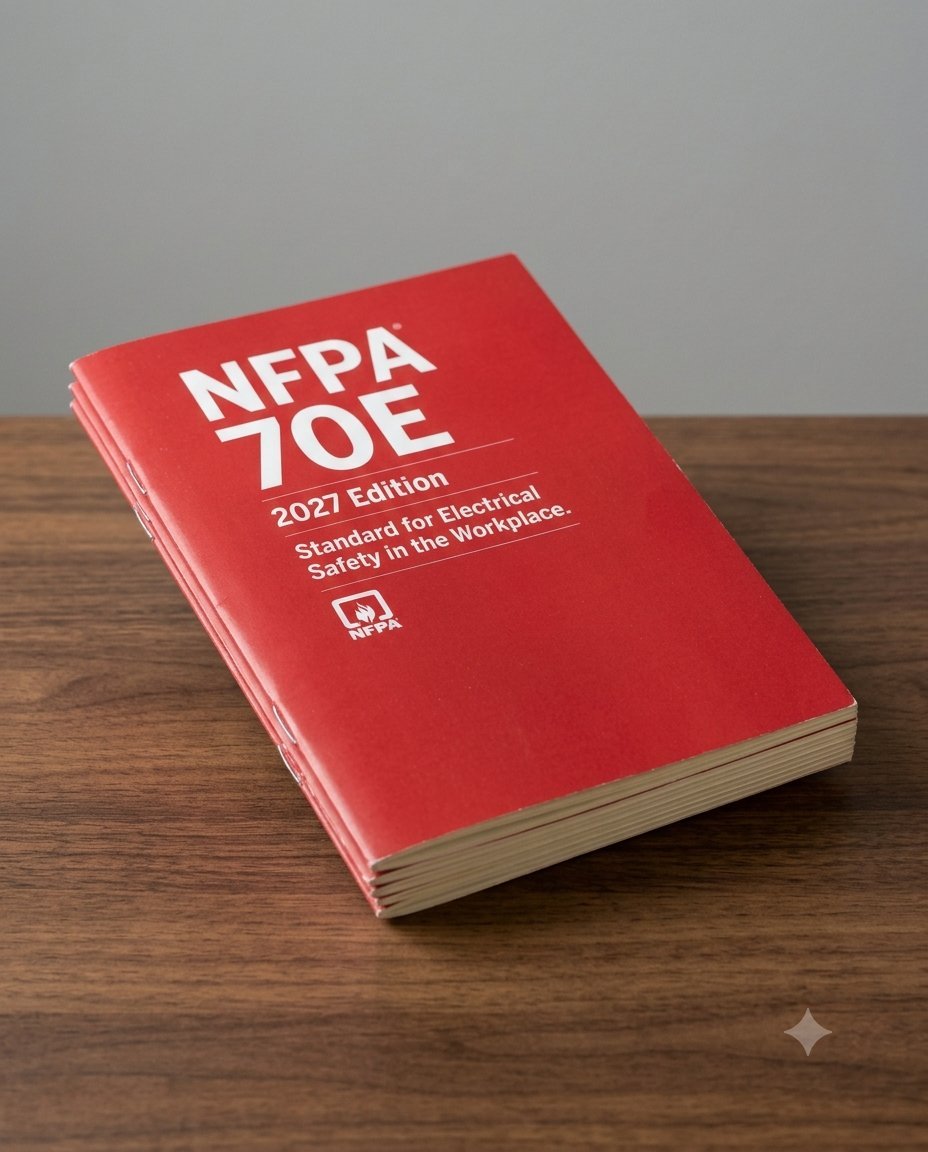
An electrical contractor gets “NFPA 70E compliant” the only way the standard recognizes: person by person. Each worker who installs, maintains, or troubleshoots energized equipment completes training on the current edition of NFPA 70E — the 2027 edition, in effect since May 6, 2026 — the employer determines who is qualified for which equipment and tasks, and all of it is documented well enough to hand to a client on request. There is no company-level certificate from NFPA, and any client who has been through an audit knows it. What they actually ask for is the crew roster with training dates on it.
This page covers what that looks like in practice for contractors: why clients ask, what “qualified” means, how to train a whole crew without idling it, and what belongs in the packet you hand over before mobilization.
Why clients ask contractors for NFPA 70E documentation
Facility owners write electrical safety programs, and those programs almost always require verification that outside contractors working on or near their electrical equipment are trained and qualified. When a plant manager or GC asks for your NFPA 70E documentation, they are executing their own program — and deciding whether your crew works or waits.
The regulatory backdrop matters too, and it is routinely misstated. OSHA does not adopt NFPA 70E by name; it enforces electrical safety through Subpart S and the General Duty Clause, and uses NFPA 70E as the recognized industry standard — the measure of what a reasonable employer would have done. For a contractor, that cuts both ways: your client is measured against it, and so are you as the employer of the crew.
What “qualified” means — and why it is task-specific
Under NFPA 70E, a qualified person is one who has demonstrated the skills and knowledge related to the construction and operation of the electrical equipment and installations involved, and has received safety training on the hazards — established by training plus task-specific demonstration, not by a card alone. A journeyman license is not, by itself, NFPA 70E qualification, and qualification for one class of equipment does not automatically carry to another.
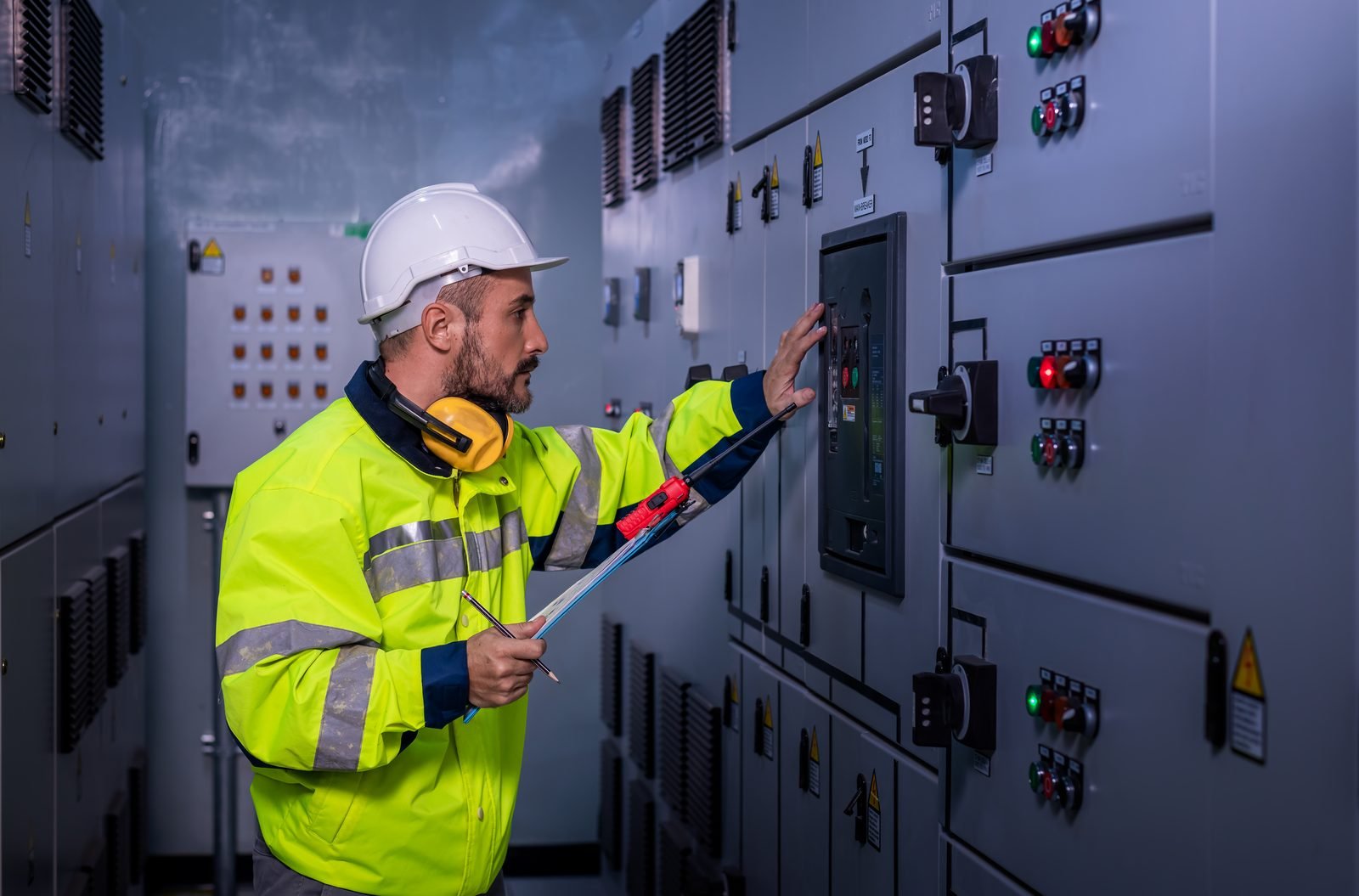
For maintenance contractors this is the crux. The routine work of the trade — racking breakers, verifying absence of voltage, opening panel covers, servicing equipment that cannot come offline — is exactly the work where an arc flash happens: a release of energy from an unintended fault current arcing through air, producing intense heat, a pressure wave, and shrapnel in a fraction of a second. The training exists so the people doing that work can recognize which tasks carry the risk, establish an electrically safe work condition whenever possible, and select the right protection when energized work is genuinely justified.
Training a whole crew without idling it
Contractors rarely have the luxury of sending everyone to a classroom on the same Tuesday. Two formats solve that:
- Live virtual, open enrollment or private. Instructor-led over Zoom or Teams — crew members join from different job sites and different states in one session, with real-time Q&A. See virtual NFPA 70E training for upcoming dates.
- Onsite, at your shop or the client’s facility. One visit trains the whole crew, with the curriculum built around the kind of equipment your contracts put in front of them. Details on onsite NFPA 70E training.
Multi-seat enrollment is the norm for contractor crews, not the exception — a single session can cover apprentices who need awareness-level training alongside the qualified workers doing energized work.
The paper trail: what to hand a client
The 2027 edition states the employer’s responsibility plainly: provide and document employee training. Both verbs. For a contractor, the working packet looks like this:
- Each worker’s certificate of completion, with the completion date and the edition trained to (2027).
- The retraining due date — intervals must not exceed three years, and retraining comes sooner when tasks or equipment change, procedures change, an incident or near-miss occurs, or observed performance shows a deficiency.
- Your determination of who is qualified for which equipment and tasks — the roster a client can map against the scope of work.
Contractors who show up with that packet before it is asked for close the mobilization conversation in one email. For what the certificate itself covers and how renewal works, see NFPA 70E certification in 2027.
Frequently asked questions
Is there an official “NFPA 70E certified contractor” credential?
No. NFPA does not certify companies. What clients accept as proof is current, documented training and qualification of the individual workers on the crew.
How often does the crew need retraining?
At intervals not to exceed three years — and sooner when job tasks or equipment change, procedures change, an incident or near-miss occurs, or observed performance shows a deficiency.
Does OSHA require NFPA 70E training?
OSHA does not adopt NFPA 70E by name. It enforces electrical safety through Subpart S and the General Duty Clause, and uses NFPA 70E as the recognized industry standard for what a reasonable employer would have done and the feasible means of abatement.
Can workers at different job sites train in one session?
Yes — that is the point of the live virtual format. One instructor-led session, crew members from anywhere, certificates documented per worker.
Our client wants proof before mobilization. What do we send?
The packet above: certificates with dates and edition, retraining due dates, and the qualified-person roster mapped to the scope of work.