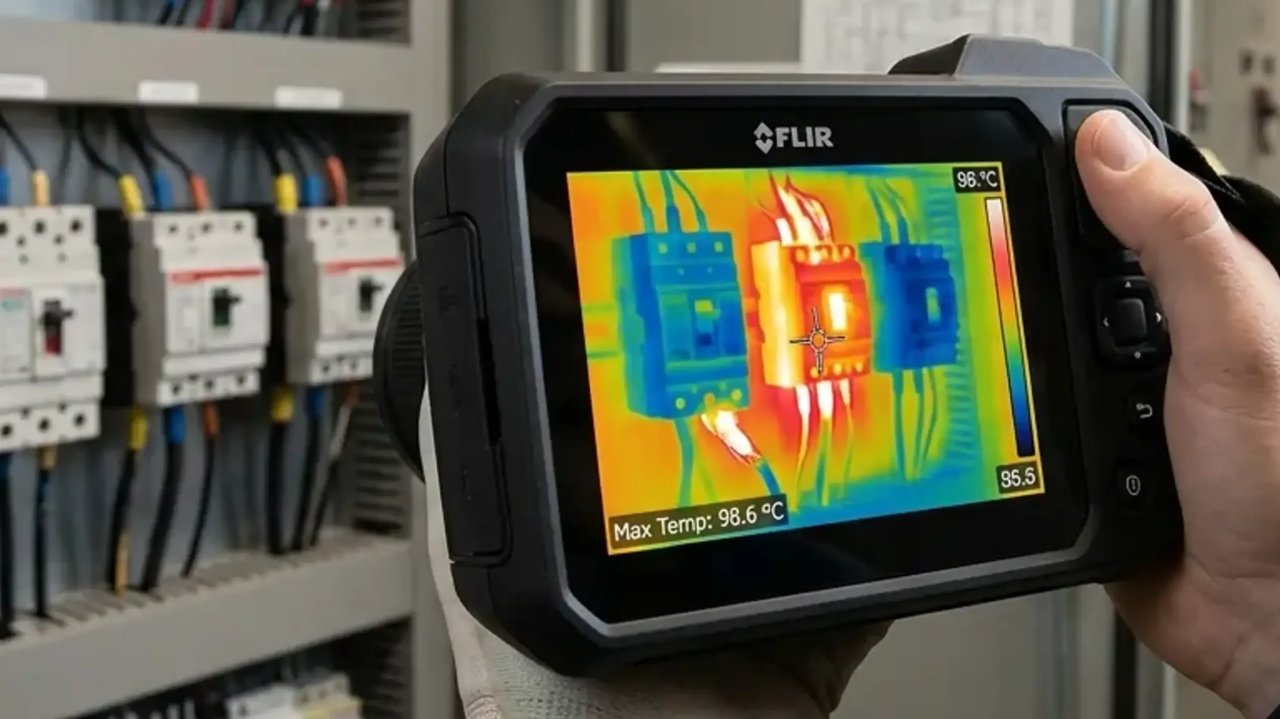
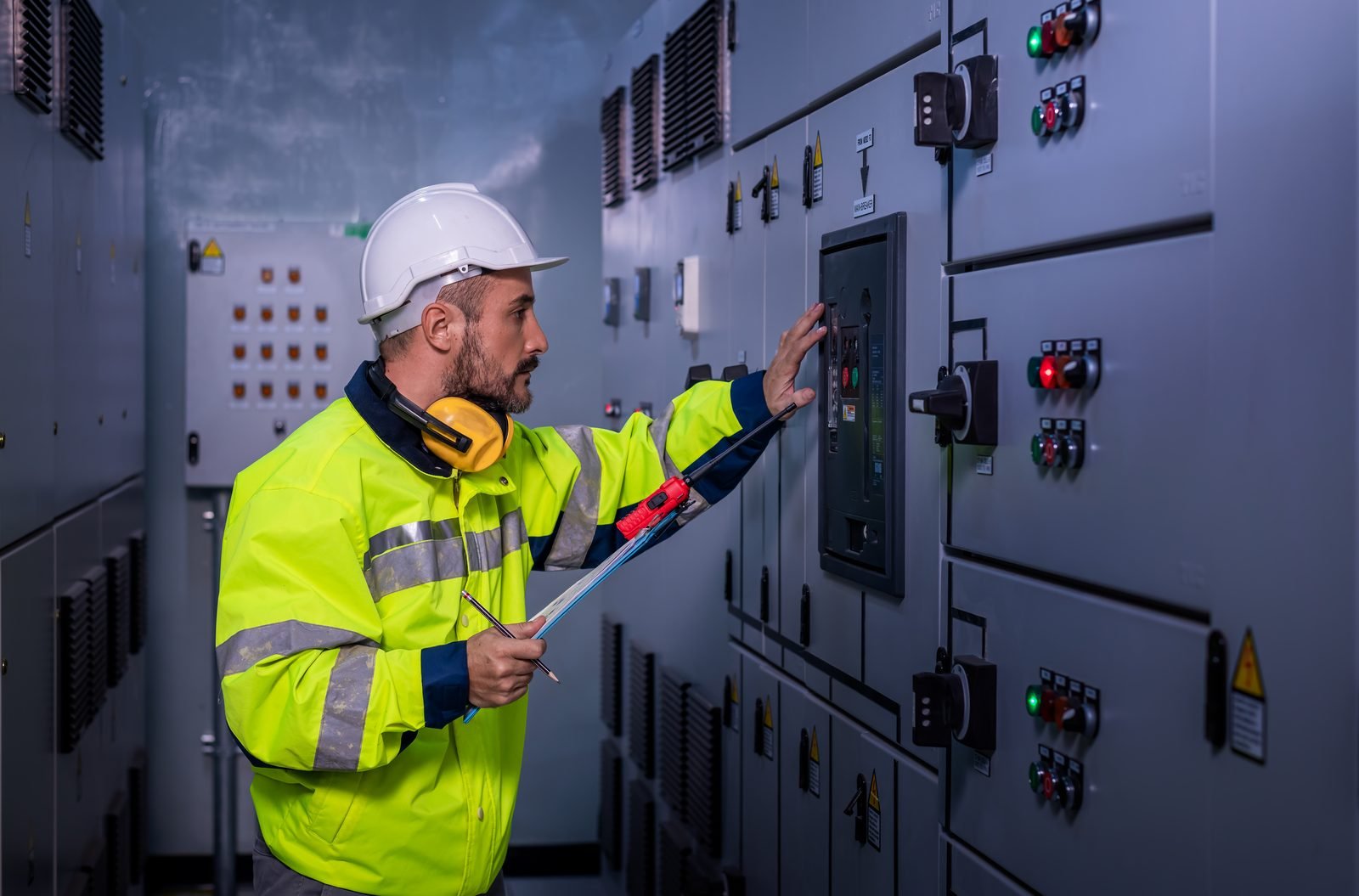
Here is the short answer: OSHA 10 and OSHA 30 are general workplace-safety awareness courses delivered under OSHA's Outreach Training Program — they survey a broad range of site hazards, and completion is documented with a Department of Labor course-completion card. NFPA 70E training is electrical-specific — it is the training half of how an employer establishes that a worker is qualified for the electrical tasks they perform. If your electricians work on or near energized equipment, they need NFPA 70E-based training built on the current 2027 edition. If a site owner, general contractor, or jurisdiction asks for outreach cards as a condition of site access, they need OSHA 10 or OSHA 30 as well. One does not substitute for the other.
What OSHA 10 and OSHA 30 Actually Cover
The OSHA Outreach Training Program is awareness training. The 10-hour course gives entry-level workers a broad orientation to recognizing and avoiding common workplace hazards — falls, struck-by, caught-in, electrocution, and more. The 30-hour course goes deeper across more hazard categories and is aimed at workers who carry some safety responsibility: foremen, leads, supervisors. Both are taught by OSHA-authorized outreach instructors, and both end with a course-completion card issued through the Department of Labor.
Electrical hazards appear in that curriculum — there is a reason people search for “OSHA 30 electrical” and “OSHA 10 electrical safety” — but they appear at awareness depth: recognize the hazard, keep your distance, leave the work to someone qualified. It is the right training for the laborer who should never open a panel, and it is the card a general contractor can check at the gate across every trade on the site.
What the card does not do
OSHA describes outreach training as voluntary awareness training — completing it does not, by itself, satisfy the training requirements written into OSHA's standards, and it does not make anyone a qualified electrical worker. A 30-hour card in an electrician's wallet says they sat through a broad site-safety course. It says nothing about whether they can perform a shock and arc flash risk assessment, select PPE for a task, or work inside an approach boundary.
What NFPA 70E Training Is For
NFPA 70E is the electrical safety standard for the workplace, and the current edition is the 2027 edition, in effect since May 6, 2026. Training built on it is task-level, not awareness-level: what an arc flash is and what drives incident energy, where the arc flash boundary and the limited and restricted approach boundaries fall, how PPE gets selected for the actual hazard, when an energized electrical work permit is required under §130.3, and how an electrically safe work condition gets established and verified.
The purpose of that training is qualification. Under NFPA 70E, a qualified person is someone who has demonstrated skills and knowledge related to the construction and operation of the electrical equipment involved and has received safety training on the hazards — and the employer, not a card or a certificate, makes that determination. Training is the foundation; task-specific demonstration completes it. We walk through what that means in practice — and what a defensible certificate should document — in our guide to NFPA 70E certification in 2027.
The specificity is the point. The 2027 edition, for example, requires at least one additional person under §130.2(A)(2) when the energized electrical work permit specifies shock or arc flash PPE — someone trained to the emergency response requirements of §110.4(C)(1) and positioned outside the limited approach boundary or the arc flash boundary, whichever is greater. No general awareness course teaches a crew how to staff and position that role. That is the depth gap between the two kinds of training in one concrete example.
The 70E side has a renewal clock
NFPA 70E retraining is required at intervals not to exceed three years — and sooner when job tasks or equipment change, procedures change, an incident or near-miss occurs, or observed performance shows a deficiency. If you are budgeting training for an electrical crew, that three-year cycle is a recurring line item, not a one-time purchase. Our breakdown of arc flash certification requirements and renewal covers how to run that cycle without letting anyone's training lapse mid-project.
Why One Does Not Substitute for the Other
The two programs fail as substitutes in both directions. An OSHA 30 card does not make an electrician qualified for energized work — awareness training cannot support the demonstrated, equipment-specific skills and knowledge that qualification requires. And a 70E certificate does not satisfy a site owner or general contractor whose contract says every worker on site holds a 10-hour or 30-hour card — the gate check is looking for the DOL card, not an electrical credential. The gap shows up at the worst possible time: at the gate on mobilization day, or in an incident review.
Where does OSHA itself sit in this? OSHA does not adopt NFPA 70E by name in Subpart S. It enforces electrical safety through Subpart S and the General Duty Clause, and it uses NFPA 70E as the recognized industry standard — the measure of what a reasonable employer would have done and the feasible means of abatement. So the honest framing is: outreach cards are how you satisfy contractual and site-access expectations; NFPA 70E-based training is how you build the electrical safety program that holds up when OSHA measures your practices against the recognized standard. Different questions, different evidence.
Train the crew once, on both tracks
Arc Flash Certification delivers NFPA 70E 2027 qualification training and OSHA Outreach 10-hour and 30-hour courses — our instructors are Certified Safety Professionals and OSHA Authorized Outreach Instructors, so a crew can cover both requirements through one provider, onsite or live virtual, on one schedule.
Request a Group QuoteWhich Does Your Crew Actually Need?
Work through it role by role, not as one blanket purchase for the whole roster. Four questions sort almost every crew:
1. Does this person work on or near energized electrical equipment?
If yes — electricians, maintenance techs, controls techs, anyone who opens enclosures or performs voltage testing — they need NFPA 70E-based training on the 2027 edition as part of your qualification process. That need comes from the work itself, not from any card a site asks for.
2. Does a contract, site owner, or jurisdiction require outreach cards?
Some jurisdictions, site owners, and general contractors require a 10-hour or 30-hour card as a condition of working on their sites — this varies by location and by client, so check the contract language and the rules where the crew works. If the requirement exists, everyone it covers needs the card, including your qualified electricians. The 70E training they already have will not be accepted in its place.
3. Does this person supervise or plan the work?
Foremen and supervisors are the usual audience for the 30-hour course, and where a site requires cards at the supervisory level, OSHA 30 is typically the expected version. But a supervisor who authorizes energized work or signs permits also needs 70E-based training — they cannot evaluate a risk assessment or a permit justification with awareness training alone. Supervisors of electrical crews are the clearest “both” case on the roster.
4. Is this person general workforce around electrical work, but never performing it?
Laborers, helpers, and other trades who share the site need awareness, not qualification: OSHA 10 covers the broad hazards, and unqualified-person electrical awareness — what the boundaries mean and why they stay out of them — can be handled as a short module rather than a full qualification course.
The pattern that falls out: electrical crews doing the work need NFPA 70E training first, outreach cards when contracts require them; the general workforce needs outreach training first, with electrical awareness layered in. Budget the 70E side on its three-year retraining clock; treat the outreach side as contract-driven.
Frequently Asked Questions
Is OSHA 30 enough for electricians who work on energized equipment?
No. OSHA 30 is a general awareness course under the OSHA Outreach Training Program — it surveys a broad range of workplace hazards and it is not designed to make anyone a qualified electrical worker. Under NFPA 70E, a qualified person has demonstrated skills and knowledge related to the equipment involved plus safety training on the hazards, and the employer makes that determination. Electricians who work on or near energized equipment need NFPA 70E-based training as part of that qualification process, whatever outreach cards they hold.
Does NFPA 70E training replace OSHA 10 or OSHA 30?
No — it answers a different question. NFPA 70E training is electrical-specific; OSHA 10 and OSHA 30 cover broad site-safety awareness across many hazard types, and completion is documented with a Department of Labor course-completion card. If a site owner, general contractor, or jurisdiction asks for outreach cards as a condition of site access, a 70E certificate does not satisfy that request, and an outreach card does not satisfy an electrical qualification requirement. Many electrical crews end up needing both.
Is OSHA 10 or OSHA 30 required by law?
Under the federal program, outreach training is voluntary — OSHA describes it as awareness training that does not by itself satisfy the training requirements in its standards. In practice, some jurisdictions, site owners, and general contractors do require a 10-hour or 30-hour card as a condition of working on their sites, so check your contracts and the rules that apply where your crew works.
How often does each type of training need to be renewed?
They run on different clocks. On the NFPA 70E side, retraining is required at intervals not to exceed three years — and sooner when job tasks or equipment change, procedures change, an incident or near-miss occurs, or observed performance shows a deficiency. Federal OSHA does not put an expiration date on outreach completion cards, though some jurisdictions and site owners set their own refresher expectations.
Do supervisors and foremen need OSHA 30 or NFPA 70E training?
Often both, for different reasons. The 30-hour outreach course is aimed at workers with safety responsibility, so it is the version site owners typically expect supervisors to hold. But a foreman who plans, authorizes, or supervises electrical work also needs to understand what NFPA 70E asks of the crew — risk assessments, boundaries, PPE selection, and permit requirements — which only electrical-specific training covers. An OSHA 30 card does not equip anyone to make those calls.
Rick Hauf, CSP is a Certified Safety Professional with 35+ years in EHS and electrical safety. He teaches NFPA 70E nationwide — more than 55 classes a year to electricians, EHS professionals, and Fortune 500 operators including hyperscale data centers, manufacturers, and utilities — with attendee ratings averaging 9.46/10. This article reflects the 2027 edition of NFPA 70E.