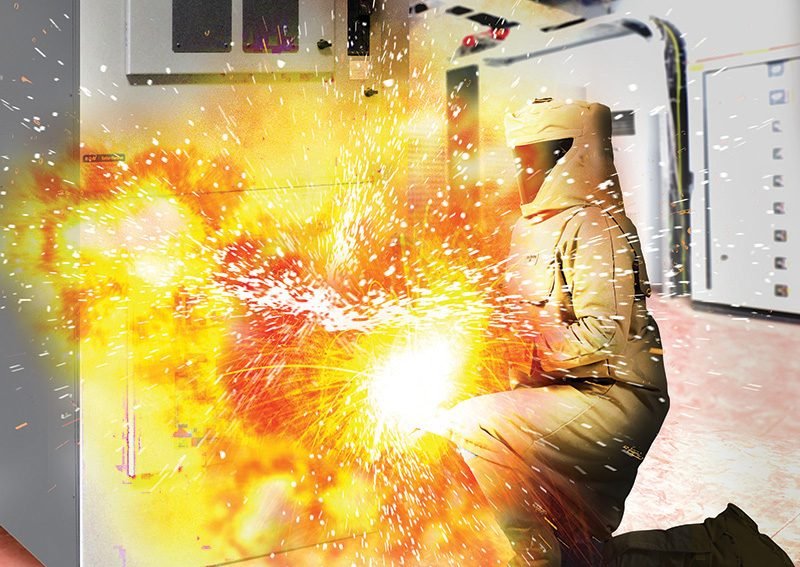
Washington State 2027 NFPA 70E Training for Aerospace, Data Centers & Ports
Washington's electrical hazard environments range from Boeing's Puget Sound aerospace production lines to the hyperscale data centers running on central Washington's low-cost hydropower to the container terminals of Seattle and Tacoma. Training covers the 2027 NFPA 70E edition's updated PPE and additional-person requirements and is delivered onsite or virtually under WA DOSH compliance expectations.
Washington's industrial economy centers on Boeing's Puget Sound aerospace manufacturing operations, one of the largest aircraft production footprints in the world, alongside a dense supplier network of aerospace component manufacturers. The state's abundant, low-cost hydroelectric power has also made central Washington — particularly the area around Quincy — one of the largest hyperscale data center markets in the country. Add to that the Port of Seattle and Port of Tacoma's combined maritime cargo operations, Columbia Basin agricultural processing, and the hydroelectric infrastructure that powers much of the state, and Washington's qualified electrical workers face an unusually wide range of hazard environments. WA DOSH, operating under the Department of Labor & Industries, enforces electrical safety requirements across all of it, with 2027 NFPA 70E as the standard its inspectors expect employers to follow.
Upcoming Washington & Virtual 2027 NFPA 70E Training
New sessions are added to the calendar regularly. Contact us for the next confirmed Washington date, or join a live virtual session open to WA teams from anywhere in the state.
Open Enrollment - Upcoming Classes
Washington Sessions
Open-enrollment and private onsite dates serving facilities throughout WA. Contact us for the next confirmed date.
Check WA Dates8-Hour NFPA 70E Qualified Electrical Worker (QEW)
4-Hour NFPA 70E Qualified Electrical Worker (QEW) Refresher
4-Hour NFPA 70E Qualified Electrical Worker (QEW) Refresher
8-Hour NFPA 70E Qualified Electrical Worker (QEW)
Training for Washington's Aerospace, Hydropower, and Port Hazard Environments
Boeing's Puget Sound production facilities and the dense supplier network surrounding them run precision manufacturing electrical systems, robotic assembly lines, and testing equipment where qualified maintenance electricians face routine arc flash exposure. 2027 NFPA 70E training addresses the energized troubleshooting these facilities require.
Central Washington's data center campuses, concentrated around Quincy and drawn by the region's low-cost hydroelectric power, run UPS plants, generator paralleling gear, and medium-voltage switchgear that operate energized around the clock. Qualified electrical workers need 2027 NFPA 70E training built for 24/7, energized-by-default facility operations.
The Port of Seattle and Port of Tacoma together handle a large share of West Coast container traffic, running electrified cargo cranes, reefer container power systems, and terminal switchgear that qualified electricians maintain under continuous operational demand.
Washington's Columbia Basin agricultural processing facilities — fruit packing, potato processing, and related operations — run 480V motor control centers and refrigeration systems where qualified workers face regular arc flash exposure, often in wet or damp production environments.
Washington generates more hydroelectric power than any other state, and the dams and associated switchyards along the Columbia and Snake Rivers require qualified electrical workers trained on high-voltage switchgear and generation-facility-specific arc flash hazards under 2027 NFPA 70E.
Washington's electrical contracting industry serves Seattle-area commercial construction, aerospace facility buildouts, and the ongoing data center expansion in central Washington. Contractors whose workers perform energized electrical work need 2027 NFPA 70E-trained personnel under WA DOSH enforcement.
WA DOSH: Washington's State Plan Electrical Safety Program
Washington operates its own OSHA-approved State Plan through the Division of Occupational Safety and Health (DOSH), part of the Washington Department of Labor & Industries. WA DOSH enforces electrical safety requirements at least as effective as federal standards and holds jurisdiction over both private and public sector employers across the state, from Puget Sound aerospace plants to Columbia Basin agricultural facilities.
2027 NFPA 70E is the consensus standard WA DOSH inspectors reference during electrical safety inspections, and given Washington's aerospace manufacturing density and rapidly expanding data center sector, inspection activity in these industries has grown accordingly. Employers who cannot document current qualified worker training, energized electrical work permits, and a functioning PPE program face direct citation exposure.
Washington's industry mix means a single employer may operate aerospace production switchgear, hydropower-fed data center UPS equipment, and port terminal electrical systems under one safety program — each carrying distinct arc flash hazard categories and PPE requirements under 2027 NFPA 70E. We build every Washington program around the specific voltage levels, environments, and WA DOSH inspection priorities your workers actually face.
2027 NFPA 70E Training by Metro in Washington
We publish dedicated pages for Seattle and Tacoma, each covering the industrial employers, scheduling and delivery options specific to that metro. Everywhere else in Washington is served from this page — onsite at your facility or live online.
We Deliver Training Across Washington
Also training qualified electrical workers in West Virginia and Wyoming.
Washington Training Program Options
Both formats are delivered onsite at your Washington facility by CSP-credentialed instructors. Curriculum is built around your specific electrical systems, industry environment, and WA DOSH compliance requirements.
Full 2027 NFPA 70E curriculum with group exercises built around Washington's industrial base — aerospace production switchgear scenarios, hydropower-fed data center UPS work, and port terminal electrical systems.
- Complete 2027 NFPA 70E standard coverage
- Arc flash hazard analysis & incident energy calculation review
- PPE category selection, inspection, and use
- Shock hazard boundaries & arc flash boundaries
- Energized electrical work permit — structure and completion
- Lockout/tagout per OSHA 1910.147 & 2027 NFPA 70E
- Group exercises: aerospace production, data center UPS, and port terminal scenarios
- WA DOSH compliance documentation requirements
- Written assessment & certificates of completion
Condensed review of 2027 NFPA 70E changes for workers with prior training. Covers updated documentation requirements, PPE program changes, and regulatory priorities relevant to WA DOSH compliance in Washington aerospace, data center, and port facilities.
- 2027 NFPA 70E changes and updates review
- PPE inspection and category refresher
- Energized work permit documentation review
- WA DOSH enforcement priorities and inspection focus areas
- Incident energy reassessment trigger points
- Group discussion: facility-specific WA scenarios
- Certificates of completion for recordkeeping
Upcoming Open-Enrollment NFPA 70E Classes in Washington
Live, instructor-led classes to the 2027 edition — reserve individual seats, or bring us onsite for your whole team.
Common Questions About Washington 2027 NFPA 70E Training
The 2027 edition — in effect since May 6, 2026 — tightens several requirements employers should know about. Highlights include a new requirement for an additional person trained in emergency response whenever the energized work permit calls for shock or arc flash PPE, a stronger expectation that the emergency response plan is settled before a panel is ever opened, job briefings that cover the specific task’s hazards and required PPE, and a management-of-change expectation that incident-energy analyses are reviewed whenever the electrical system changes — not just on a fixed calendar. Every class we teach is built on the 2027 edition.
Yes. Washington operates its own OSHA-approved State Plan through WA DOSH, part of the Department of Labor & Industries, covering both private and public sector employers statewide. 2027 NFPA 70E is the standard WA DOSH inspectors reference when evaluating an employer's electrical safety program.
Yes. We deliver training onsite at facilities across Washington, including Puget Sound aerospace plants and central Washington data centers. We customize the curriculum around your facility's specific electrical systems, voltage levels, and hazard categories.
All sessions are capped at 20 participants. For larger aerospace or data center teams, we schedule multiple sessions so workers from different shifts or departments can attend sessions tailored to the equipment they actually work with.
Schedule 2027 NFPA 70E Training for Your Washington Facility
We respond to every inquiry within 24 hours. Contact us with your location, workforce size, and industry — we'll build a training program around your specific WA DOSH compliance requirements and facility electrical environment.
Bring This Training to Your Team in Washington
Onsite or private virtual — scheduled around your shift, delivered to your whole crew at once, at direct-client rates. No open-enrollment seat limits.